

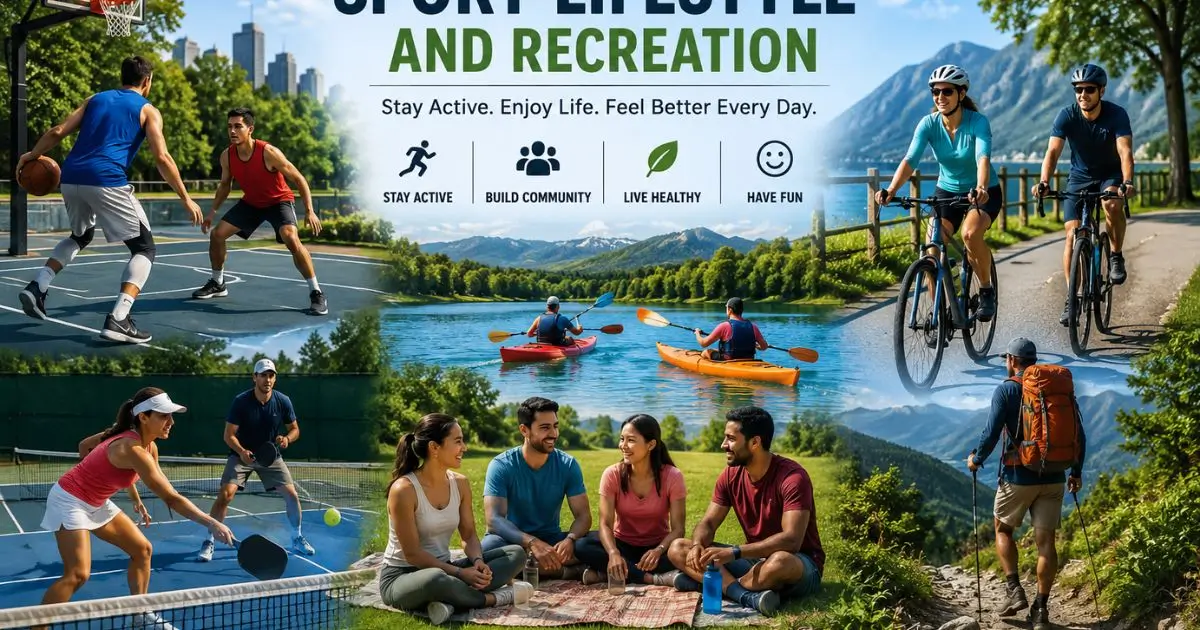
Sport Lifestyle and Recreation: What It Really Means and Why It Changes Everything
Most people know they should move more. They hear it from doctors, see it in ads, and feel it when climbing three flights of stairs leaves them winded. But knowing you should be active and actually building it into your life are two very different things.
That gap exists because most people think of exercise as a chore — something separate from real life. Sport lifestyle and recreation flips that idea completely. Instead of forcing yourself onto a treadmill you hate, it’s about finding physical activities that genuinely fit your personality, schedule, and goals.
This guide will show you exactly what a sport lifestyle is, why recreational activity is one of the smartest health choices you can make, and how real people build it into ordinary routines without burning out.
A sport lifestyle is a way of living where physical activity, recreational sports, and movement are woven into your daily habits — not treated as punishment or obligation. It includes everything from weekend hiking and pickup basketball to yoga, swimming, or community cycling groups.
Quick Summary
A sport lifestyle means making movement a natural part of your life through sports and recreation you actually enjoy. It improves your physical health, mental well-being, and social life — and it’s far more sustainable than traditional gym-only fitness plans.
What Makes a Lifestyle “Sport-Centered”?
A sport-centered lifestyle isn’t about being an athlete or training six days a week. It’s about consistency and enjoyment.
When someone builds their routine around recreational activity — whether that’s a Tuesday evening tennis league, morning walks with a neighbor, or Saturday flag football with coworkers — they’re living a sport lifestyle. The key ingredient is that movement stops being something you have to do and becomes something you look forward to.
This matters because motivation based on guilt or fear fades fast. Motivation based on enjoyment, community, and fun lasts for years.
The Real Difference Between Exercise and Recreation
Here’s something most fitness content skips: exercise and recreation are not the same thing.
Exercise is structured, goal-driven physical effort. Running a timed mile. Lifting a set amount of weight. Burning a specific number of calories. It’s measurable and often solitary.
Recreation is activity done for pleasure, social connection, and enjoyment. A game of pickleball with friends. A kayaking trip on the weekend. A neighborhood softball league on summer evenings.
Both improve your health. But research consistently shows that people stick with recreational activity far longer than structured gym programs. A 2022 study published in the British Journal of Sports Medicine found that people who engaged in social recreational sports had significantly better long-term adherence than those following solo exercise plans.
The takeaway: if it’s fun, you’ll keep doing it.
Why Recreation Is Quietly One of the Best Health Decisions You Can Make
The benefits of building sport and recreation into your lifestyle go well beyond fitting into your jeans. Here’s what the evidence actually shows.
Physical Health
Regular recreational activity reduces the risk of heart disease, type 2 diabetes, high blood pressure, and obesity. The CDC recommends at least 150 minutes of moderate-intensity activity per week for adults — and recreational sports make hitting that number feel effortless.
Mental Health
Movement is one of the most effective natural mood regulators available. Team sports, in particular, combine physical exertion with social interaction — a combination shown to reduce anxiety and depression more effectively than solo exercise alone.
Social Connection
Loneliness is a genuine public health crisis in the US and UK. Recreational leagues, group fitness classes, and community sports events create real friendships built on shared experience. That social fabric is something a gym membership alone rarely provides.
Cognitive Function
Active lifestyles support brain health. Studies show regular physical activity improves memory, focus, and long-term cognitive resilience — reducing the risk of conditions like dementia as people age.
Popular Recreational Sports and Activities Worth Trying
Not sure where to start? Here’s a practical overview of activities that fit different personalities and fitness levels.
| Activity | Best For | Intensity Level | Social Factor |
|---|---|---|---|
| Pickleball | All ages, beginners | Low–Medium | High |
| Hiking | Nature lovers, families | Low–High | Medium |
| Cycling | Solo or group riders | Medium | Medium–High |
| Swimming | Low-impact seekers | Medium | Low–Medium |
| Recreational soccer | Team players | Medium–High | High |
| Yoga | Flexibility, stress relief | Low–Medium | Medium |
| Flag football | Competitive, social | Medium–High | High |
Pickleball, for example, has exploded across the US. Courts are now available in most mid-sized cities, and the learning curve is gentle enough that complete beginners feel comfortable within their first session. Many players report that it’s the first physical activity they’ve genuinely looked forward to since childhood.
How to Actually Build a Sport Lifestyle (Without Forcing It)
Most people fail at building an active lifestyle because they try to overhaul everything at once. A smarter approach looks like this.
Start with what you already like
Do you enjoy being in water? Try recreational lap swimming or a water polo class. Prefer being outside? Trail running, cycling, or disc golf might be the entry point. Don’t start with the “most effective” activity — start with the most enjoyable one.
Find your people
Join a local league, a running club, or a community class. The social accountability is powerful. When your friends are expecting you to show up to Tuesday night basketball, you show up — even on days when you’d normally skip.
Make it logistically easy
The biggest predictor of whether someone sticks to an activity is how easy it is to access. A gym 30 minutes away will lose to a park 5 minutes away every time. Choose activities and venues that remove friction.
Track enjoyment, not just performance
Most fitness apps track calories and miles. Start also tracking how much you enjoyed an activity. If you’re consistently giving something a 2 out of 10 for fun, it’s time to try something else. This is lifestyle design, not punishment.
Mix solo and social
A healthy sport lifestyle often combines both. A solo morning run for mental clarity, plus a weekend recreational league for social energy. Balance keeps things fresh.
A Realistic Example from Everyday American Life
Consider someone like Marcus, a 38-year-old teacher in Denver. He doesn’t have hours to spend at a gym, but he joined a recreational soccer league that plays on Thursday evenings, bikes to work three days a week, and hikes with his family on weekend mornings.
Marcus isn’t training for anything. He’s not tracking macros. But he’s consistently active, socially connected, and genuinely enjoys his routine. That’s what a sport lifestyle actually looks like in practice — not Instagram-perfect, just real and sustainable.
Common Mistakes People Make When Starting Out
Even with the best intentions, a few missteps can derail momentum early.
Choosing activities based on calorie burn, not enjoyment. This approach leads to burnout within weeks.
Going too hard too fast. Starting a recreational basketball league while completely out of shape and expecting to perform well is a fast route to injury or embarrassment. Ease in.
Ignoring recovery. Recreation is still physical stress. Sleep, nutrition, and rest days matter — even for casual players.
Treating it as all-or-nothing. Missing one week doesn’t mean you’ve failed. The lifestyle mindset means returning to it without drama.
Frequently Asked Questions : Sport Lifestyle and Recreation
What is a sport lifestyle?
A sport lifestyle means making sports and physical activities a regular, enjoyable part of daily life—not just working out.
Best recreational sports for beginners?
Pickleball, hiking, cycling, and swimming are beginner-friendly, affordable, and widely available in the US.
How much activity do adults need weekly?
Adults should get at least 150 minutes of moderate physical activity each week.
Can a sport lifestyle improve mental health?
Yes. Recreational sports can reduce stress, anxiety, and depression while improving mood and social connection.
Is recreational sport good for older adults?
Yes. Activities like walking, swimming, pickleball, yoga, and golf help improve balance, mobility, and overall health.